
Skip to the main content.

3 min read

The IT Vendor Cycle That Defense Contractors Keep Getting Stuck In

The IT Vendor Cycle That Defense Contractors Keep Getting Stuck In
5:02

There's a pattern we see regularly in this industry, and it almost always starts the same way.

A manufacturer comes to us after years of frustration with their current IT provider. Tickets that take too long. Problems that keep recurring. A sense that nobody is really watching out for them. They're ready for something better.

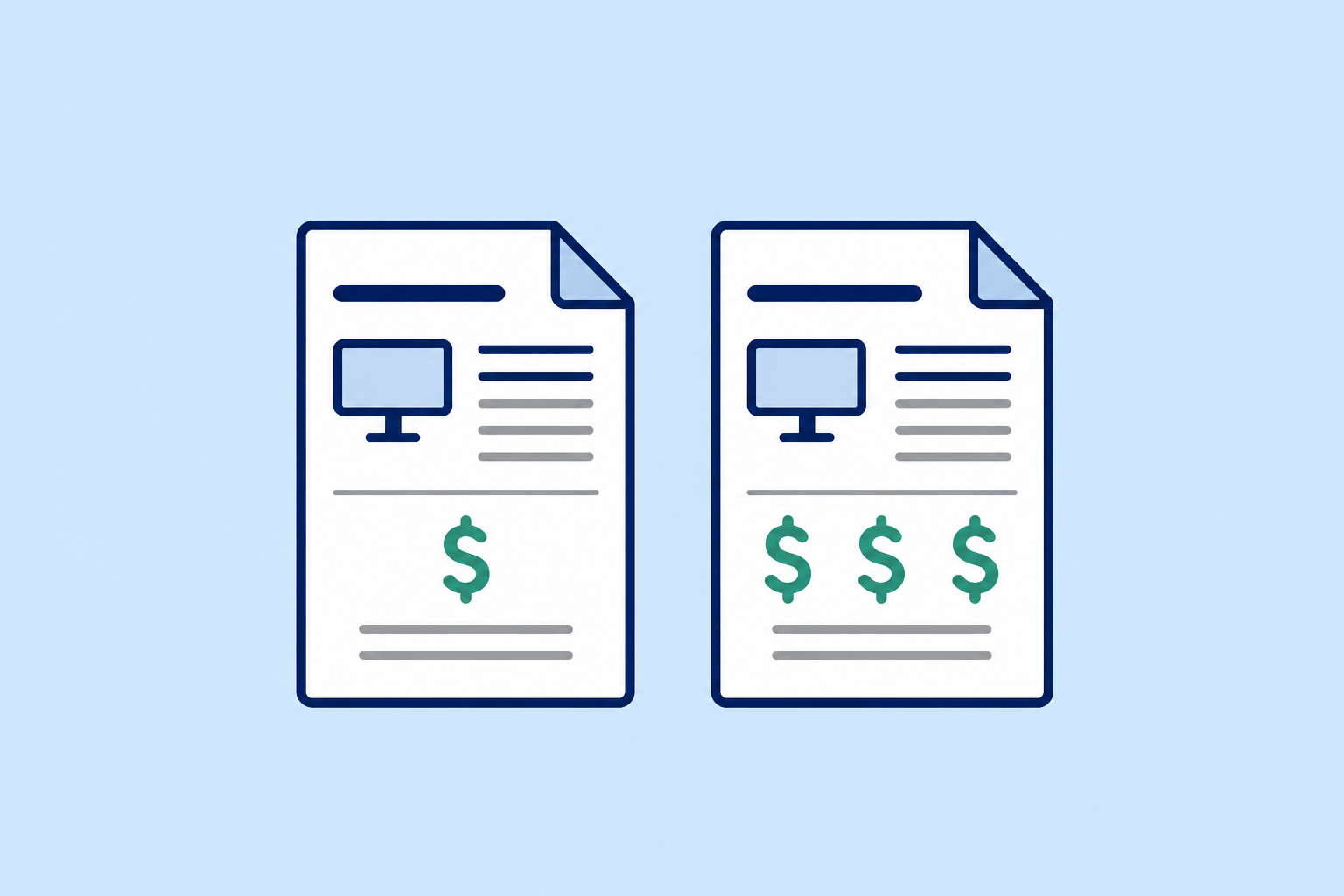
We put together a proposal. So does someone else. Ours is higher — sometimes significantly. The other proposal promises the same outcomes for less money, and the decision comes down to price.

They go with the other provider.

Two or three years later, we hear from them again. The service wasn't what they were promised. The same problems kept recurring. Nobody was really watching out for them. They're ready for something better.

The cycle has reset.

Why the Decision Makes Sense at the Time

We're not being cynical about how this happens — choosing the lower-priced proposal is rational on its face. Two providers say they can handle your IT. One is cheaper. Why pay more for the same thing?

The answer is that it usually isn't the same thing. But the differences aren't visible in a proposal document, and they often aren't visible in the first few months of a new relationship either. Managed IT is one of those services where you only fully understand what you bought when something goes wrong — or when a compliance auditor starts asking questions.

By the time the gaps become obvious, you've signed a contract, migrated your environment, and trained your team on new tools. Switching again is painful and expensive. So you stick it out longer than you should, frustration builds, and eventually you start the process over.

Why the New Provider Has the Same Problems

Here's what makes this cycle self-reinforcing: the frustrations that drove you to look for a new provider in the first place are usually symptoms of the same underlying gap — not enough service delivery to actually support your environment.

A provider who won your business by being 40% cheaper than a competitor is operating on thinner margins. Thinner margins mean fewer engineers per client, slower response times, less proactive monitoring, and less capacity to get ahead of problems before they escalate. The proposal looked like the same service. The day-to-day reality is a team stretched too thin to deliver it.

When the next cheaper provider makes the same promises for less, the same dynamic plays out. Different name, same result.

For CMMC-Obligated Companies, the Stakes Are Higher

For defense contractors and defense industrial base suppliers, this cycle has consequences beyond frustrating service. Your IT provider — particularly if they're functioning as an External Service Provider under CMMC — is directly tied to your compliance posture.

If the provider you chose can't actually deliver the security controls required by NIST 800-171, those controls aren't in place. If you've self-attested that they are, that attestation is inaccurate. Under the False Claims Act, that's not just a compliance problem — it's a legal one.

Each iteration of this cycle isn't just costing you service quality. It's potentially accumulating compliance exposure that a future audit or incident will surface. We covered what's still required of Idaho DIB companies despite the CMMC Phase II suspension here.

What It Looks Like to Break the Cycle

The exit from this pattern isn't finding a cheaper provider who somehow delivers more. It's changing the evaluation criteria.

Price is a legitimate consideration — but the right question isn't "who is cheaper?" It's "why is there a gap, and what does that gap represent?" A 40% difference between proposals in the same market isn't a discount. It's a difference in what's being delivered. We broke down what drives that gap here.

The other shift is evaluating providers on what matters during hard moments, not easy ones. Response time when something breaks at 2am. What happens during a ransomware incident. How compliance documentation gets handled when an assessor asks for it. These things don't show up in a proposal — but they determine whether the relationship actually works.

Look for reviews from their current or past clients that show how they actually perform. Here's one of ours:

I feel like the monthly payment to TotalCare is a very good investment towards a crucial partnership. IT support is not the kind of thing that you want to gamble with by choosing a “value-priced” or unreputable service.

Over the time that I have worked with TotalCare IT, I have been approached by other companies that all claimed to be “just as good” but at a lower cost. When I look at the resources and expertise being offered, it’s easy to see that it would be a mistake to change.

-David Mecham

If you're currently in this cycle — or about to make a decision that might start it — contact TotalCare IT. We'd rather have an honest conversation now than be the next call you make in two years.