Skip to the main content.

Evaluating Whether to Change IT Providers?


Mid-sized organizations often hesitate because change feels disruptive —

but delaying a decision carries its own cost.


TotalCare IT works with 100–300 employee companies that have outgrown their current IT model and need a more structured operating approach.

Schedule a Discovery Call

  • Brief call that will take no more than 15 minutes of your time
  • A low-pressure chance to get your questions answered
  • This is just an introduction between us - we can schedule a second call if we BOTH feel good about moving forward

Why Companies at Your Size Reevaluate Their IT Model

Organizations with 100–500 employees — across multiple locations, vendors, and remote users — typically reassess their approach to IT in one of two situations:

#1: They have an external IT provider, but the MSP has not matured with the organization.

Strategic planning is limited.
Security enforcement feels inconsistent.
Leadership visibility is thin.

-OR-

#2: They do not work with an MSP, and their internal-only structure is reaching its limits.

Projects compete with daily support.
Documentation is fragmented.
Security oversight becomes reactive.
Internal IT is capable — but stretched.

In both cases, the issue is not effort or intent. It is operating model maturity. The question becomes: "Does our current IT structure still match the size, complexity, and risk profile of this organization?"

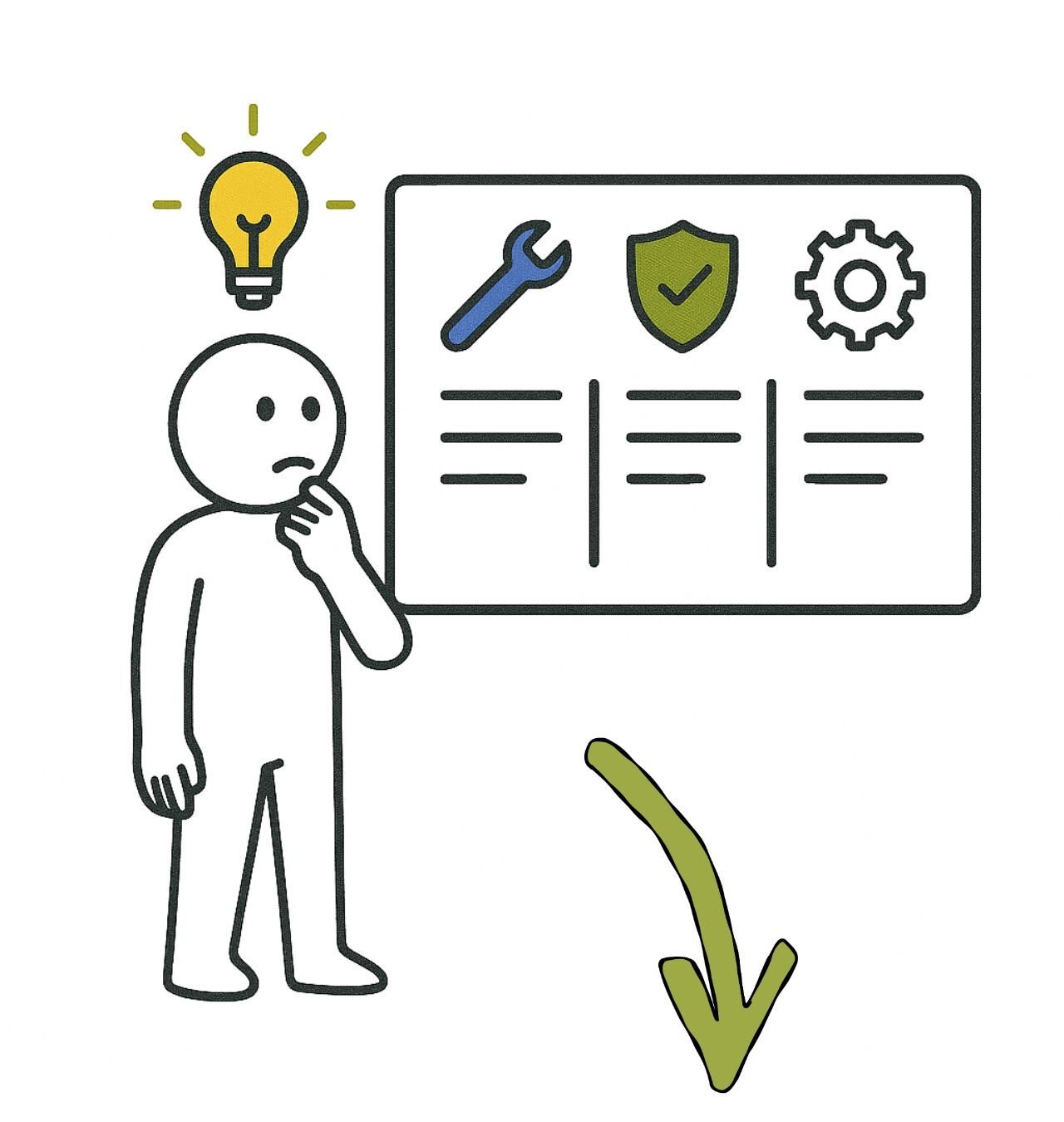
questioning with a down arrow

The Most Common Reasons Companies Delay Changing Their IT Partner:

#1: “We don’t have time for a messy transition.”

Valid concern. A poorly managed transition can disrupt daily operations, overload your internal IT staff, create uncertainty, and/or consume executive attention.

That’s why our onboarding process is structured and controlled. We focus on minimizing downtime and limiting internal staff burden. We clarify responsibilities early and keep the environment stabalized during transition.

That's not to say there won't be hiccups. A transition rarely goes 100% perfect. That's just technology. The difference is we take accountability and action to understand any transition kerfuffles and sort them out quickly. Switching providers should not feel chaotic. It should feel deliberate.

#2: "IT competes with visible, urgent projects."

In mid-sized organizations, budget and leadership attention are finite. Every department has legitimate needs. Facilities. Operations. Sales. HR. Compliance.

And because technology risk often feels abstract — especially when nothing has failed recently — it can be deferred. Usually, this looks like moving the pain to a long-term issues parking lot to be revisited next quarter or next year.

The environment continues operating.
The internal team continues working hard.
Small inefficiencies are absorbed.
Security assumptions go untested.

Over time, what is structurally important becomes overshadowed by what is immediately visible.

This is not uncommon - it is how organizations naturally allocate attention. The challenge is that operational and security risks rarely announce themselves in advance. They compound quietly.

The decision to “wait” is still a decision. The question is whether the current IT operating model is strong enough to safely carry that weight. Postponing structural improvements often increases the eventual cost of correction.

5 stars

"I Honestly Wish I Would Have Found Them Sooner"

I didn’t realize how many problems/issues I had with the old company until we switched.

I knew onboarding was going to be time-consuming, and as I’m the one the project was going to fall on, I was not looking forward to it. I did give us a month to roll everything over while still having the prior IT company, but I probably only needed the old IT for about a week because at that point I was having TotalCare handle all the situations. There was only one time in all my calls that I had to leave a voice message because all the techs were busy.

I looked at about 5 other companies and met with 2 others. One was too corporate and didn’t feel friendly or flexible enough and the other was too small for all our needs. TotalCare checked all the boxes we were looking for, and still do. I would choose them again in a second, and again I wish I would have found them sooner.

Nikki Shull
HR and Safety Manager
Rule Steel

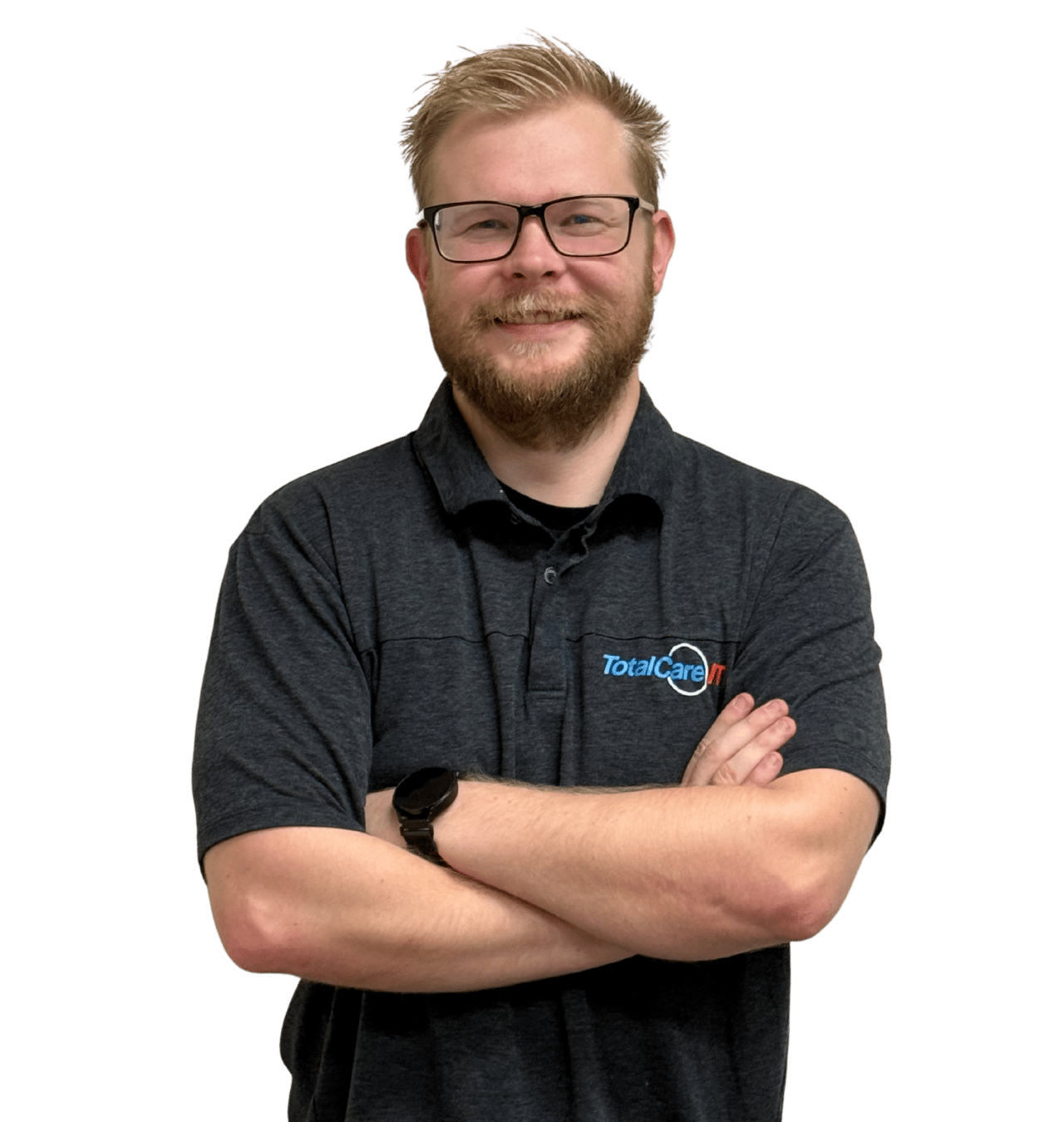
Chris, TotalCare IT

Make a Deliberate Decision — Not a Deferred One.

If you’re weighing competing priorities, the first step isn’t committing to a provider. It’s gaining clarity.

This 15-minute Structured Discovery Call is designed to help you determine whether change is necessary — or whether your current model is sufficient for your organization’s size and risk level. During this conversation, we will:

  • Briefly understand how IT is currently structured in your organization
  • Discuss how transitions are handled in mid-sized organizations
  • Answer direct questions about time, disruption, and internal workload

This is not a technical audit, a proposal presentation, or a commitment to move forward. It is simply a structured conversation to help you make an informed decision. If we both believe there is a strong case for improvement, we schedule a deeper second discussion. If not, you leave with clearer perspective — and a deliberate choice, rather than a deferred one.

Return to top